The Build
The Build outlines how the farm is being developed, from initial planting through future expansion. The emphasis is on deliberate execution rather than rapid scale.
Site Layout and Infrastructure
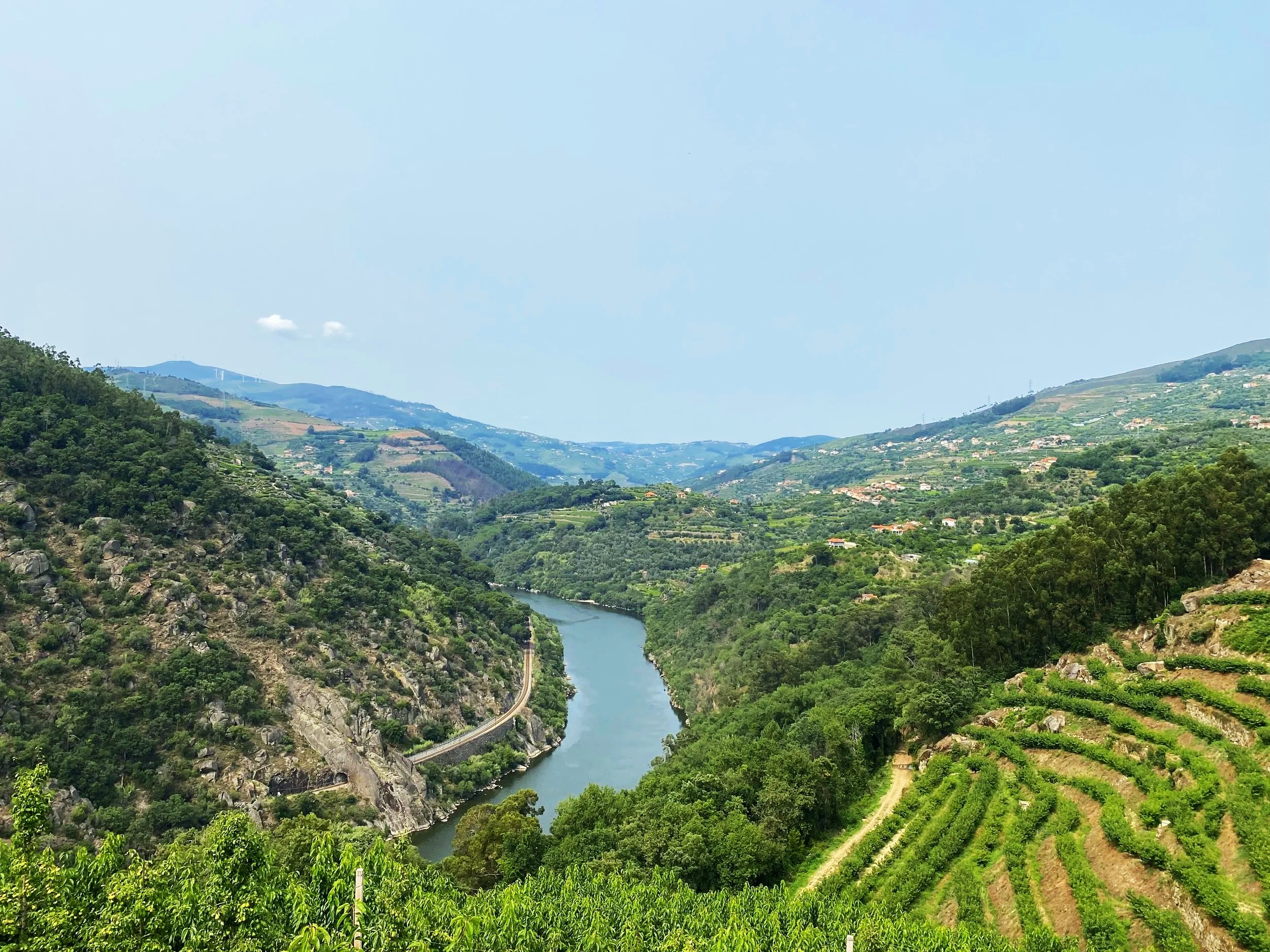
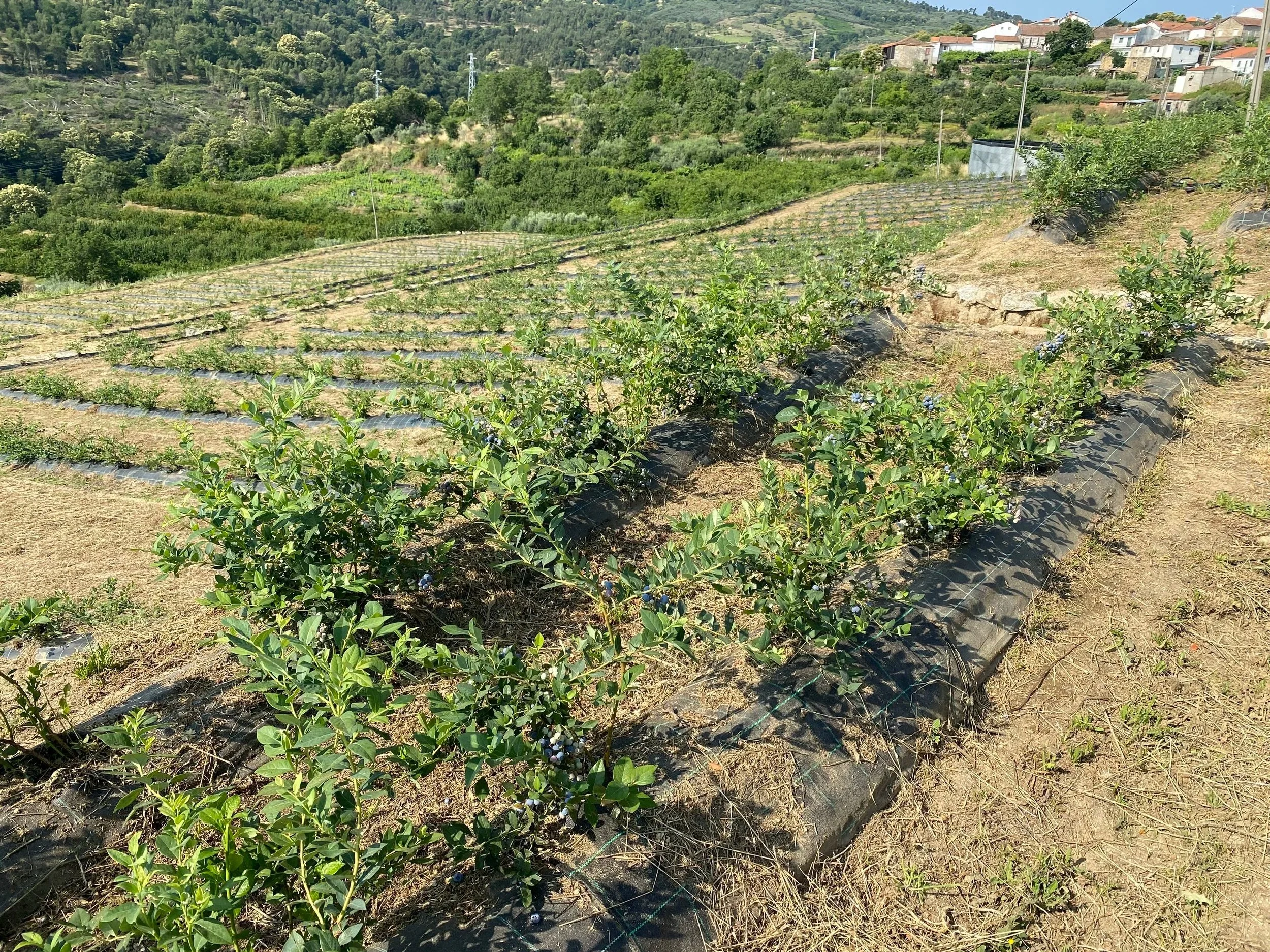
Quinta du Valongo is being developed as a pilot farm across approximately three hectares, with infrastructure designed proportionally to its scale. Water access is anchored by a well, supplemented by a man-made irrigation pond and a pump house that allow for controlled distribution across the planted area. The system is built to support current needs while allowing for incremental expansion without requiring complete redesign.
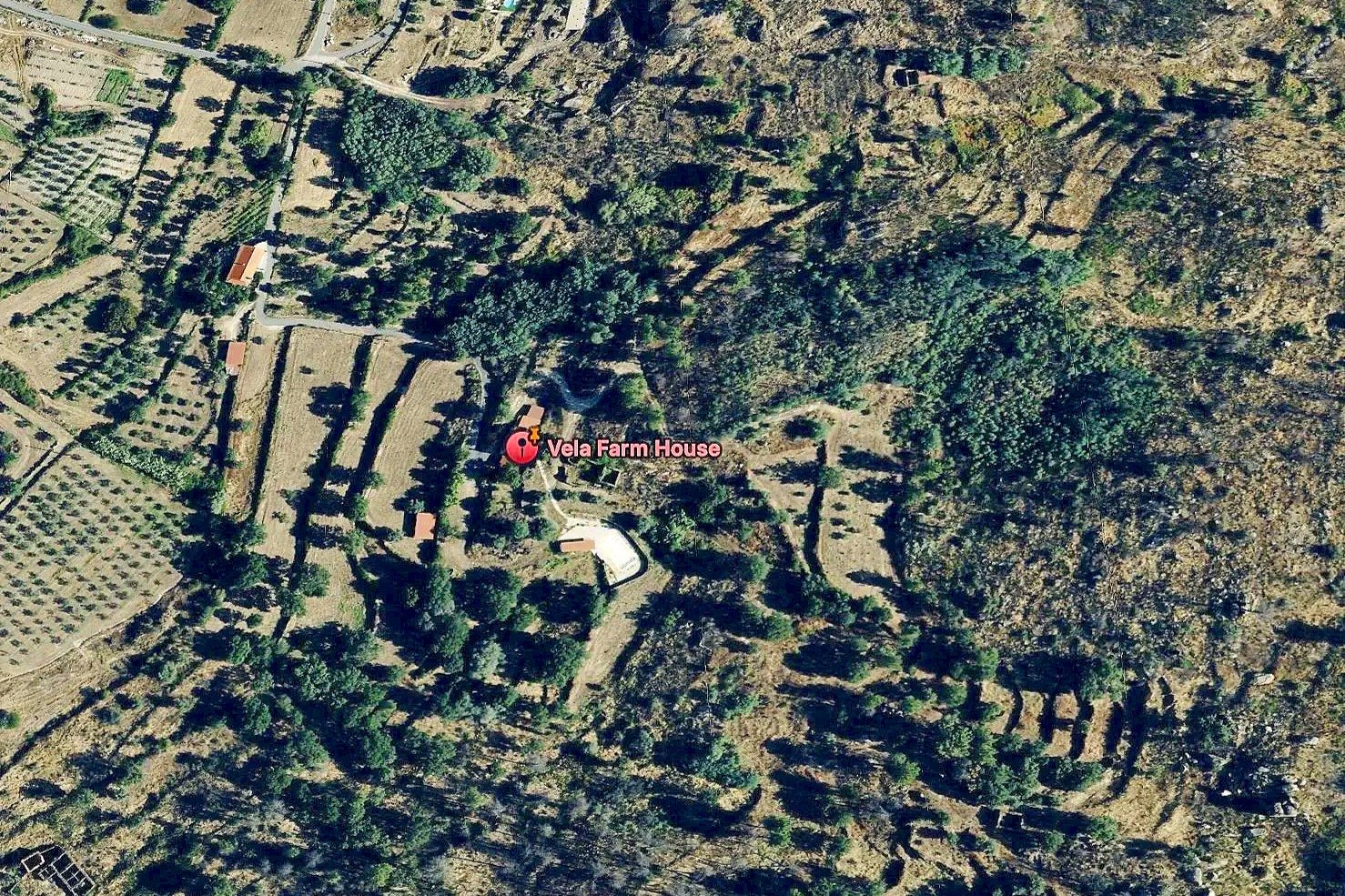
The farm is located on sloped terrain, requiring deliberate design around irrigation, drainage, and row layout. Rather than flatten or force the land into uniformity, the build adapts to its natural contours. Bed orientation, water flow, and access routes are engineered to work with the hillside rather than against it.
Planting Approach
The initial planting will be established in raised beds. While container systems offer flexibility and precision, beginning with raised beds reflects both regional familiarity and a desire to understand how the land performs under more traditional methods. Raised beds provide structure, drainage control, and consistency while maintaining alignment with established practices in the area.
Container systems remain under consideration for future properties, where lessons from the pilot may justify a different approach. For now, the focus is on building a stable baseline from which comparisons and improvements can be made.
Variety Selection
Two blueberry varieties were selected for the pilot, chosen for their performance characteristics, harvest timing, and suitability for the regional climate. Rather than defaulting to the most commonly planted local cultivars, selection prioritized durability, fruit quality, and alignment with the early summer harvest window that makes Portugal strategically positioned within Western European markets.
The objective is not simply to produce fruit, but to understand how each variety performs under the site’s specific conditions. That knowledge becomes foundational if expansion is pursued.

Nutrient Strategy
Nutrient management reflects a measured and comparative approach. Rather than follow prevailing regional input practices without adjustment, fertilization levels are calibrated closer to benchmarks observed in northern European systems, where precision and efficiency are emphasized.
The aim is not maximum input, but optimized performance. Monitoring and refinement during the pilot phase will inform whether adjustments are required before scaling.
Phased Expansion
The pilot phase is designed to test systems, validate assumptions, and refine operational processes under real conditions. Infrastructure is built to allow extension rather than replacement. Expansion decisions will follow only once performance, cost structure, and local partnerships demonstrate consistency.
The pilot phase is structured to stand on its own operational merits and is not dependent on agricultural subsidies. Future expansion, where appropriate, may incorporate available programs to improve capital efficiency, but the underlying model is being validated independently.
The early phase demands hands-on oversight and disciplined execution. If the fundamentals prove durable, scale allows the project to shift from managing details to allocating capital deliberately.