The Project
From exploration to execution, a pilot agricultural project taking root in Portugal
Our story
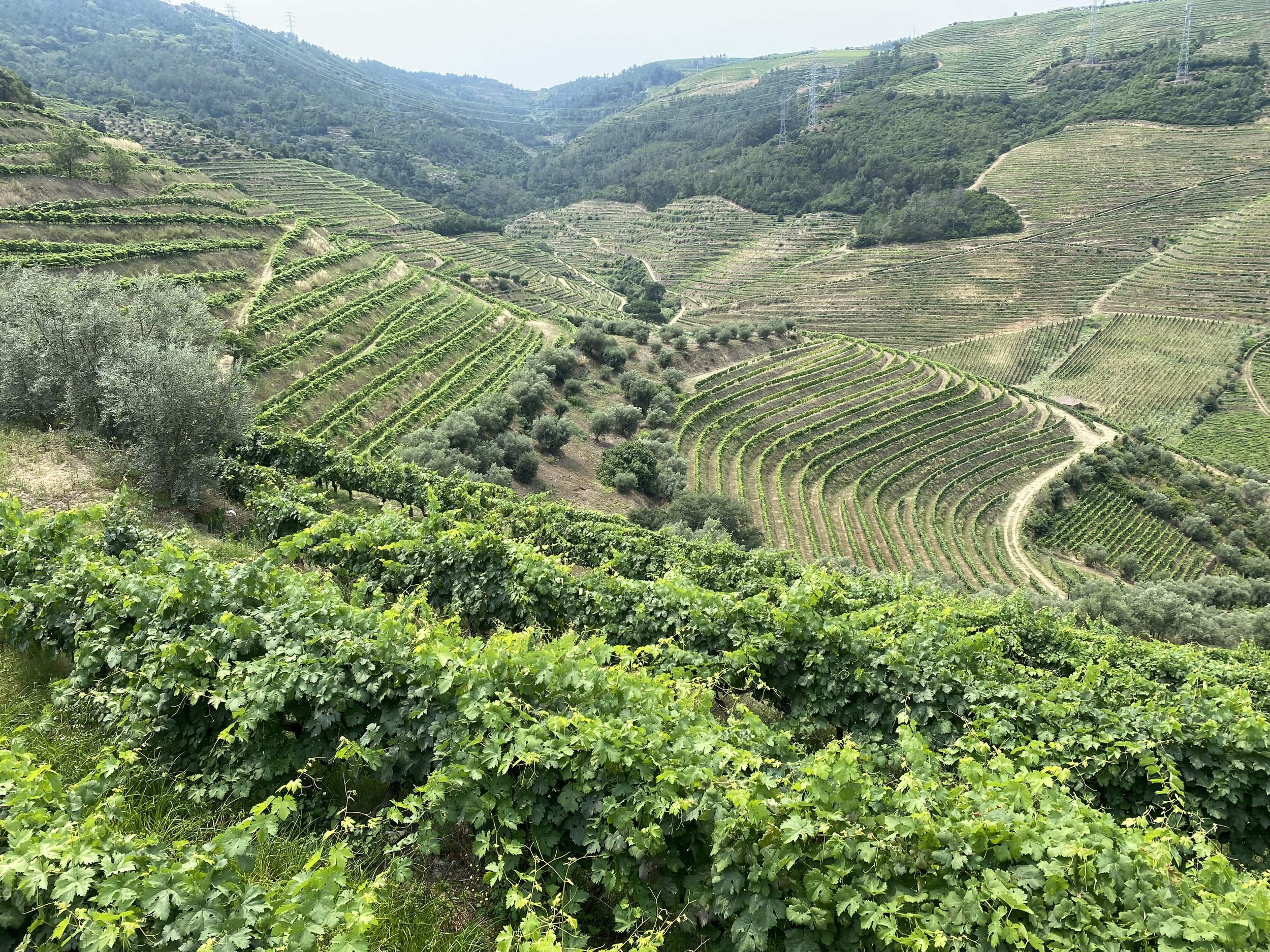
What began as an exploratory trip for two lifelong friends working in finance, traveling to Portugal’s Douro Valley to evaluate vineyard opportunities for a client, led somewhere unexpected. During that visit, we spent time looking more broadly at agricultural opportunities, including a small blueberry farm that was quietly for sale. It wasn’t part of the original plan, but it was compelling enough to warrant a closer look.
That initial curiosity grew into a more deliberate process. Over the next two years, we spent significant time researching the opportunity, validating assumptions, and building relationships with local operators and advisors. Along the way, a few early missteps helped sharpen our focus. The result is a pilot agricultural project designed to start modestly and expand only once its fundamentals are proven.
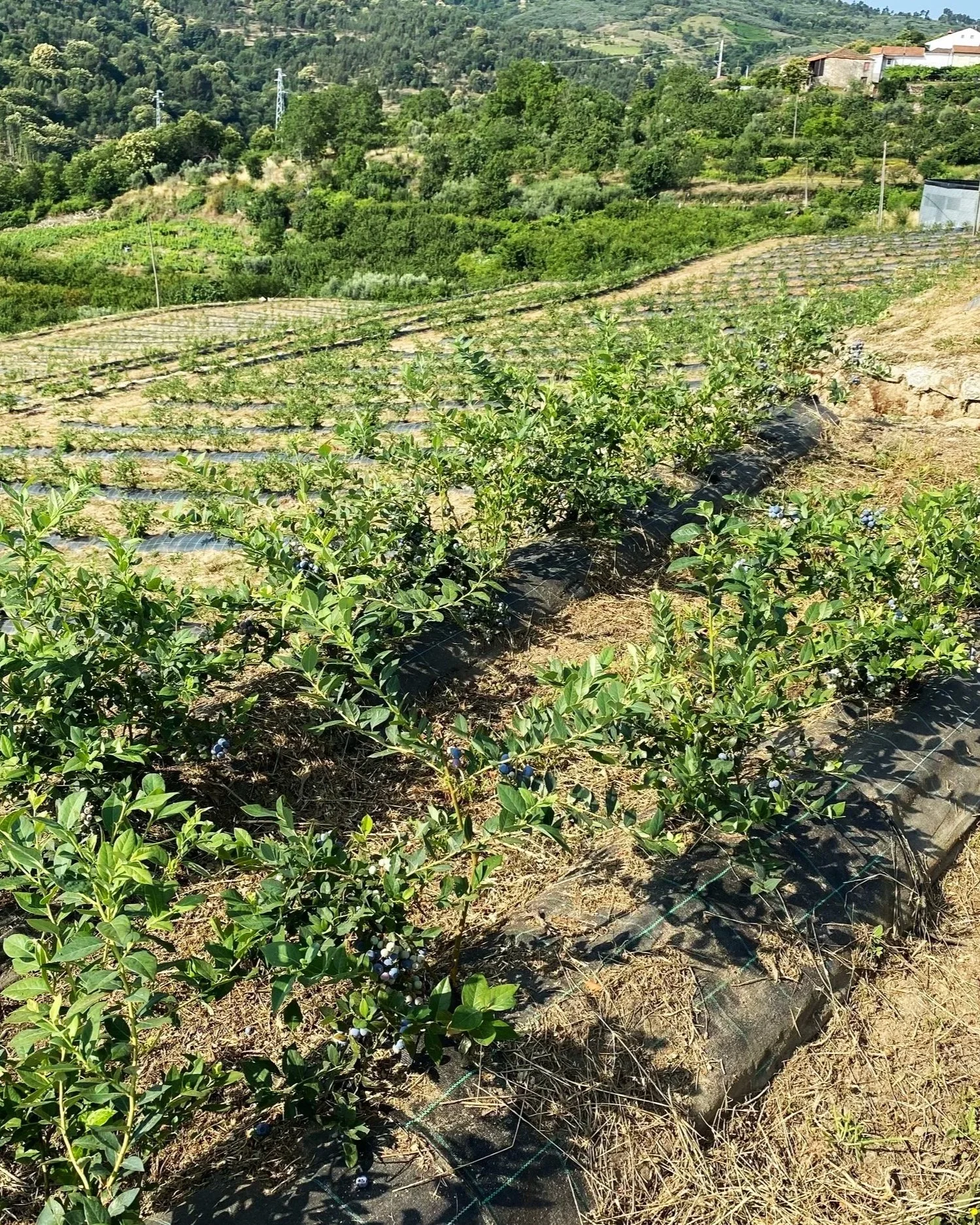
After two years of diligence and preparation, the project is entering “Year Zero,” its first phase, with approximately 12,000 blueberry bushes being planted across three hectares. This site records that pilot effort and the decisions behind it, along with the path toward thoughtful expansion.
Our Approach
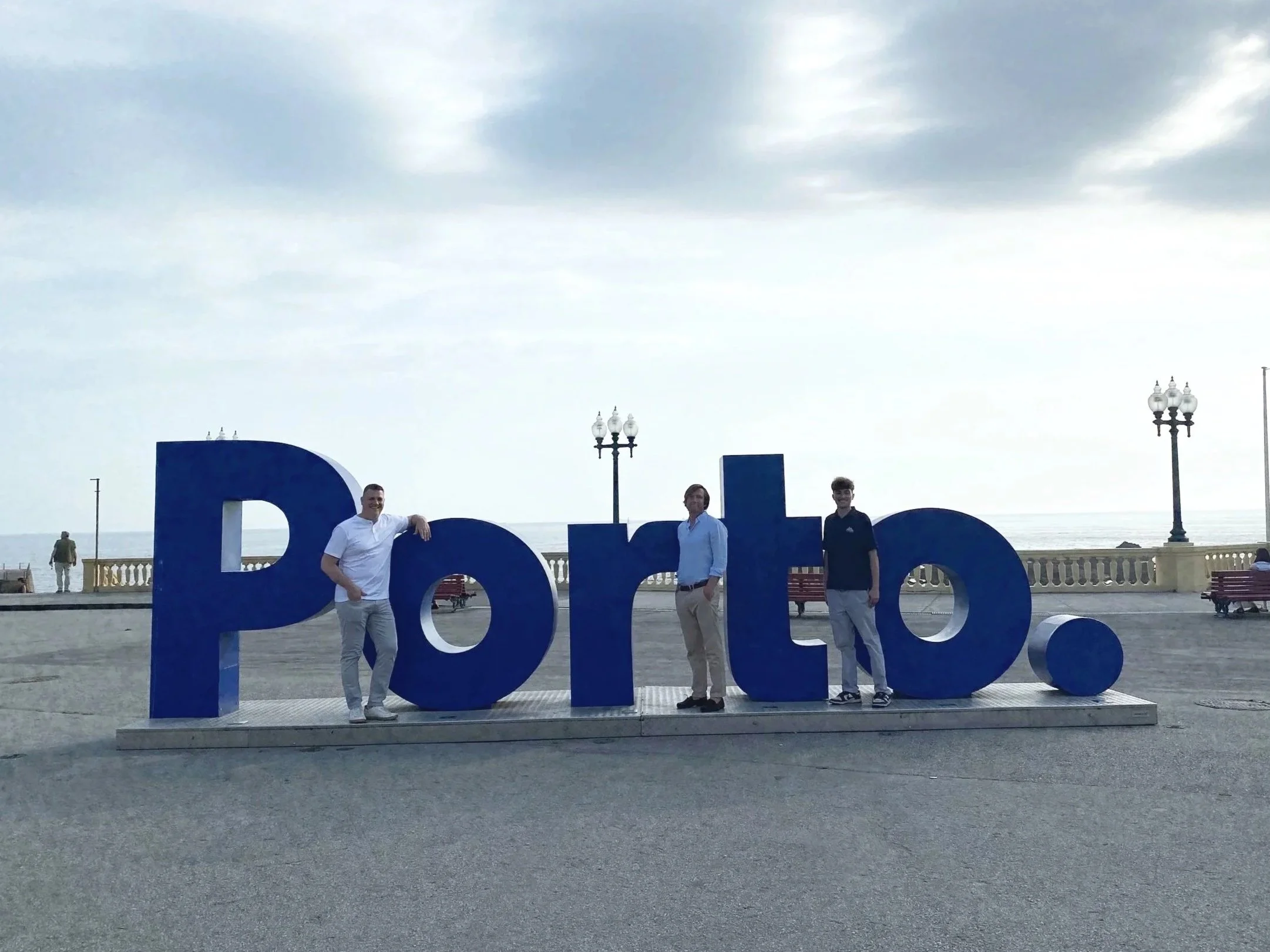
This project is being approached deliberately, starting with a pilot rather than immediate scale. While neither of us are farmers by trade, we both grew up in rural New Hampshire with family roots in agriculture, which drew us to the work. That personal connection, combined with what appeared to be a compelling agricultural investment opportunity, shaped the decision to begin thoughtfully rather than aggressively.
The pilot structure reflects a simple belief: assumptions need to be tested on the ground before they are scaled. There is a steep learning curve in agriculture, particularly for those entering from outside the industry. As the saying goes in finance, more lies are told in spreadsheets than in written words. A pilot farm allows us to move beyond projections and understand the realities of operations, costs, labor, and land firsthand.
Expansion is therefore a consequence, not a starting point. Only once practices are validated, relationships are proven, and the economics hold up in practice does it make sense to grow. This approach reduces risk, sharpens decision-making, and increases the likelihood that any future expansion is durable rather than rushed.
Documentation is a deliberate part of this process. By recording decisions, outcomes, and lessons along the way, we create both accountability and institutional memory. Trusted local relationships are central to that effort, particularly since neither of us is leaving our primary work in California to relocate full-time to Portugal. Building the right partnerships on the ground is as important as the land itself.
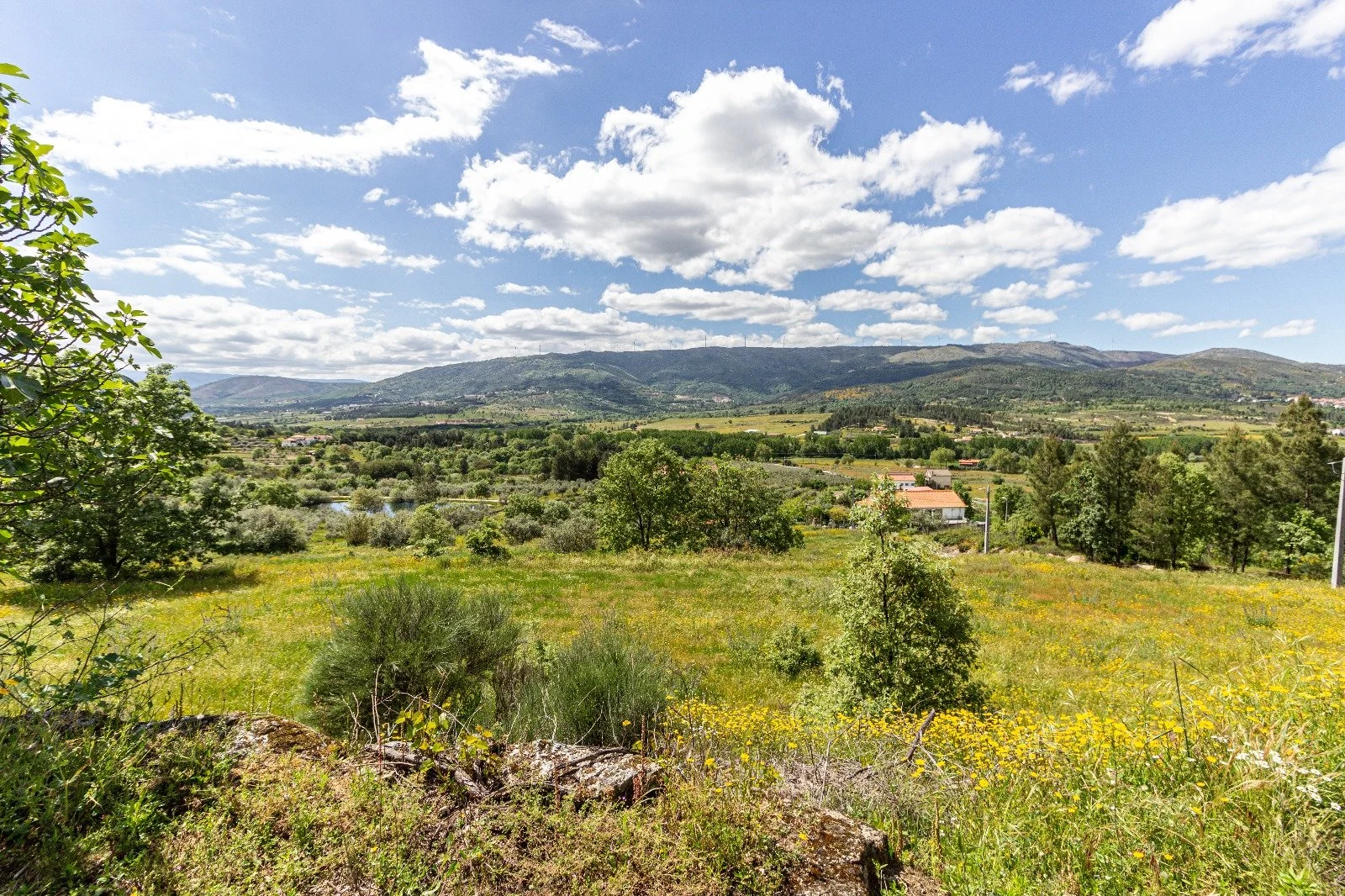
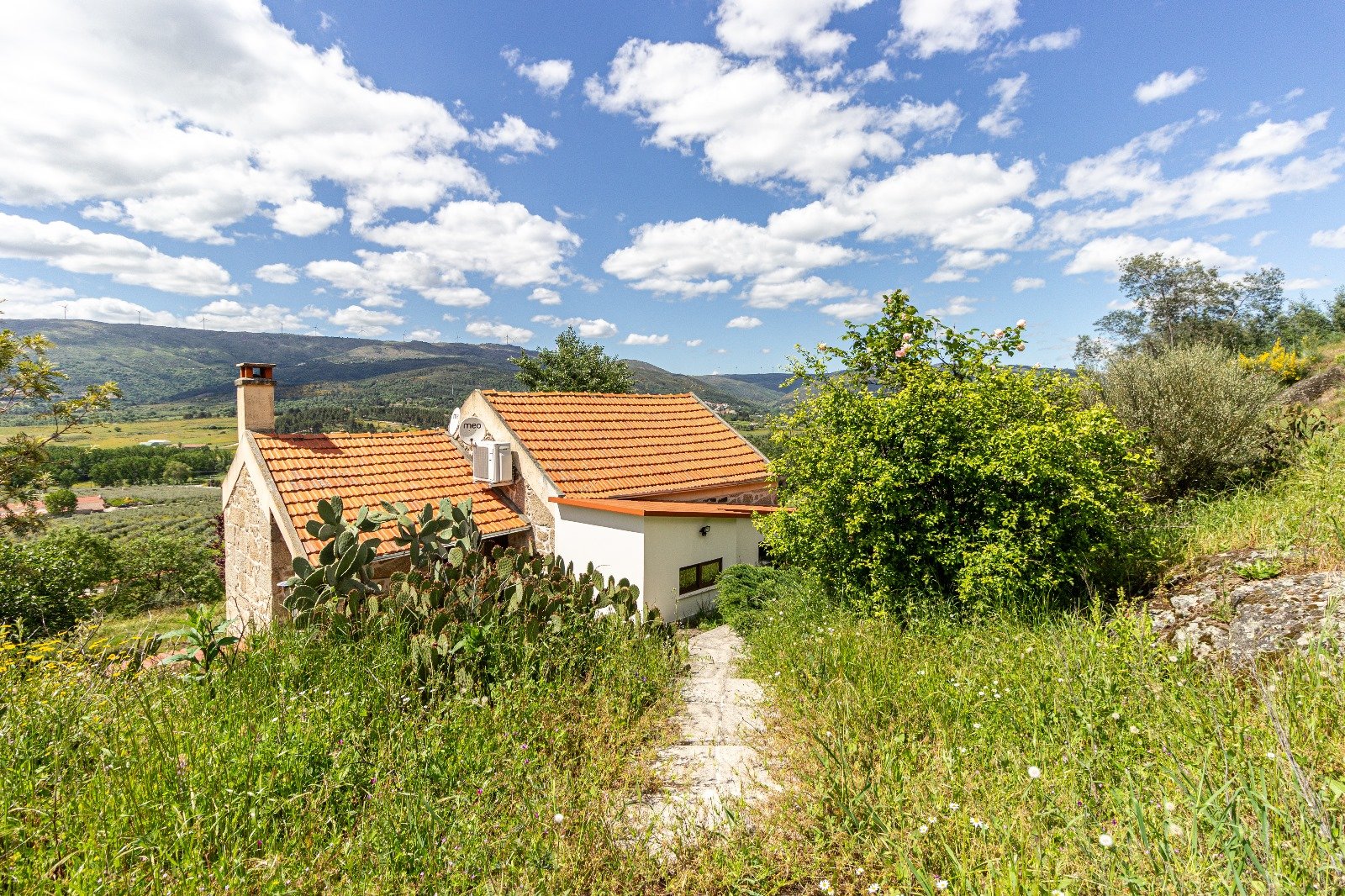
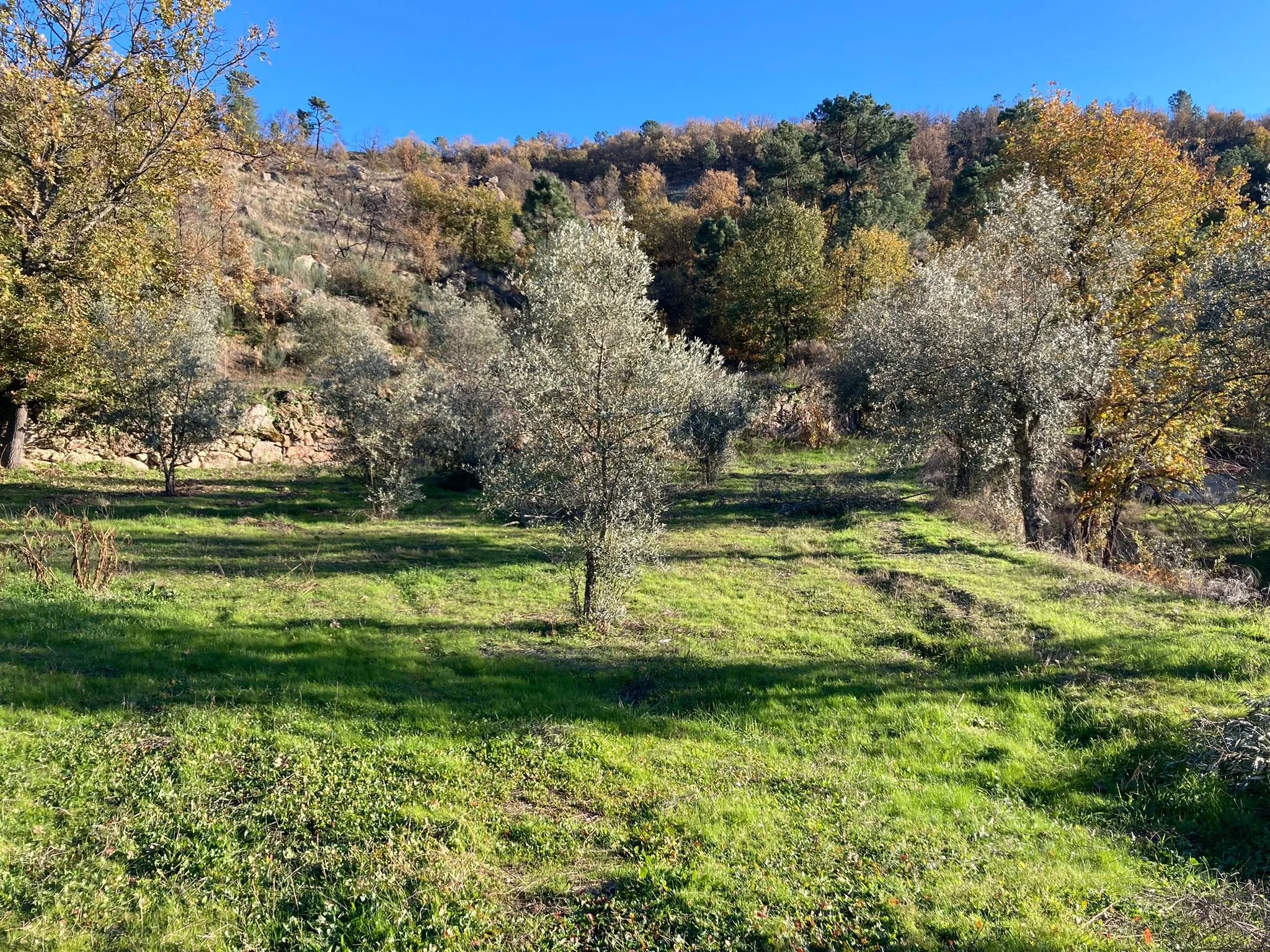
The pilot is the foundation. We’ll expand only if reality agrees with the spreadsheets.
What we learn along the way will be documented in our Field Notes.